Enter your reading speed and page count โ ChapterPlan calculates your finish date with precision. Track progress. Meet your reading goals.
Find out your reading speed, estimate completion dates, and plan sessions that fit your schedule.
Enter your book details and daily reading time to get an accurate estimate.
Three steps to a structured reading plan โ no guesswork, no vague estimates.
Input page count, your reading speed, and how much time you have each day for reading.
ChapterPlan calculates your finish date, pages per session, and annual reading capacity instantly.
Use the results to build a realistic reading schedule and hit your yearly book goals with confidence.
Reading systems, goal setting, and library organisation โ written by readers who take books seriously.
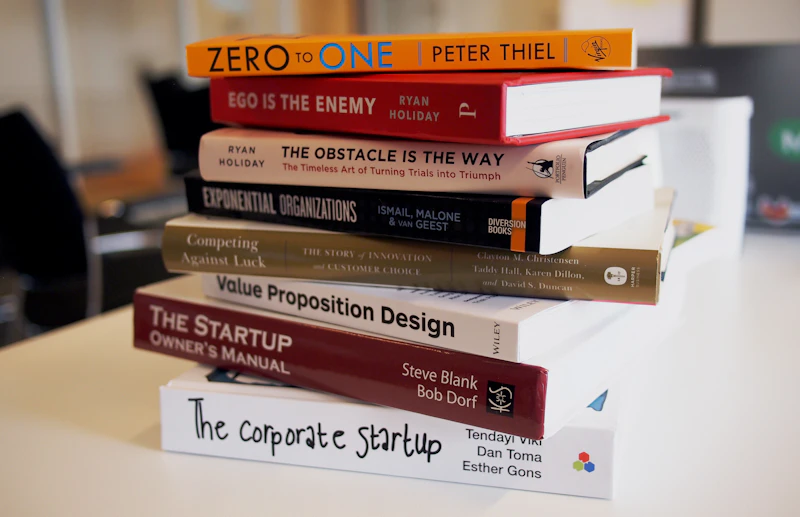
Systematic goal-setting and realistic pace tracking are the difference between a finished book list and an abandoned one.
Read โA well-organised shelf saves time and reveals gaps in your reading โ here is a method that scales to any collection size.
Read โStrategic purchasing keeps your reading list fresh without the guilt of unread stacks. This framework works for any budget.
Read โFeedback from 183 active readers who use ChapterPlan to structure their reading habits.
"I used to overestimate how quickly I'd finish books. ChapterPlan's calculator showed me I was reading 30% slower than I thought. That honest data changed how I plan my queue."
"The book budget tool on page two is excellent. I set a quarterly spend limit and it helped me prioritise which books to buy versus borrow. My TBR pile is finally manageable."
"Simple interface, accurate estimates. I finished 27 books last year by sticking to the daily session targets ChapterPlan calculated. Previously I had managed 14."
Answers to common questions about the calculator, reading pace data, and how ChapterPlan works.
Time yourself reading a typical page for 5 minutes, count the pages, and multiply by 12 to get your hourly rate. Most adults read between 30 and 60 pages per hour for standard fiction.
Yes. Dense academic text and literary non-fiction take longer to process than light fiction. Use the Genre Complexity dropdown to apply a calibrated adjustment to your estimates.
The calculator uses your inputs directly. Accuracy depends on how consistent your daily sessions are. For most readers, estimates are within one to two days of actual completion.
Enter the total number of pages and adjust your speed based on listening rate (typically 1.0โ1.5x). The finish date calculation remains accurate for any medium.
Both tools on ChapterPlan are free with no account required. Use them as often as you need without any limitations or paywalls.
The tool divides the average book length (320 pages) by your pages-per-session rate and daily session frequency, then projects across 365 days โ giving a realistic annual reading capacity.